

About Ethiopia
Discover the land of origins - Rich heritage, diverse culture, and unlimited potential. This section provides essential information about Ethiopia's government, economy, political system, strategies, and initiatives.
Fact Sheet
Ethiopia is a federal democratic republic with a parliamentary system. Addis Ababa is the capital and largest city. Amharic is the official working language. Ethiopia uses the Ethiopian calendar, which is approximately 7-8 years behind the Gregorian calendar. The Ethiopian Birr (ETB) is the official currency. Ethiopia is the only African country never to have been colonized.
History
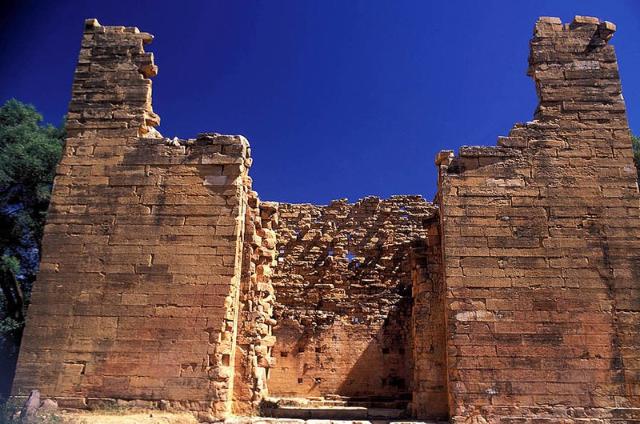
Ethiopia's history can be traced back over 3,000 years. It is home to one of the oldest civilizations in the world and is believed to be the origin of humanity. The Kingdom of Aksum was one of the great powers of the ancient world. This page provides a brief about life in ancient Ethiopia and the major events that shaped the nation's sovereignty and rich cultural heritage.
Culture
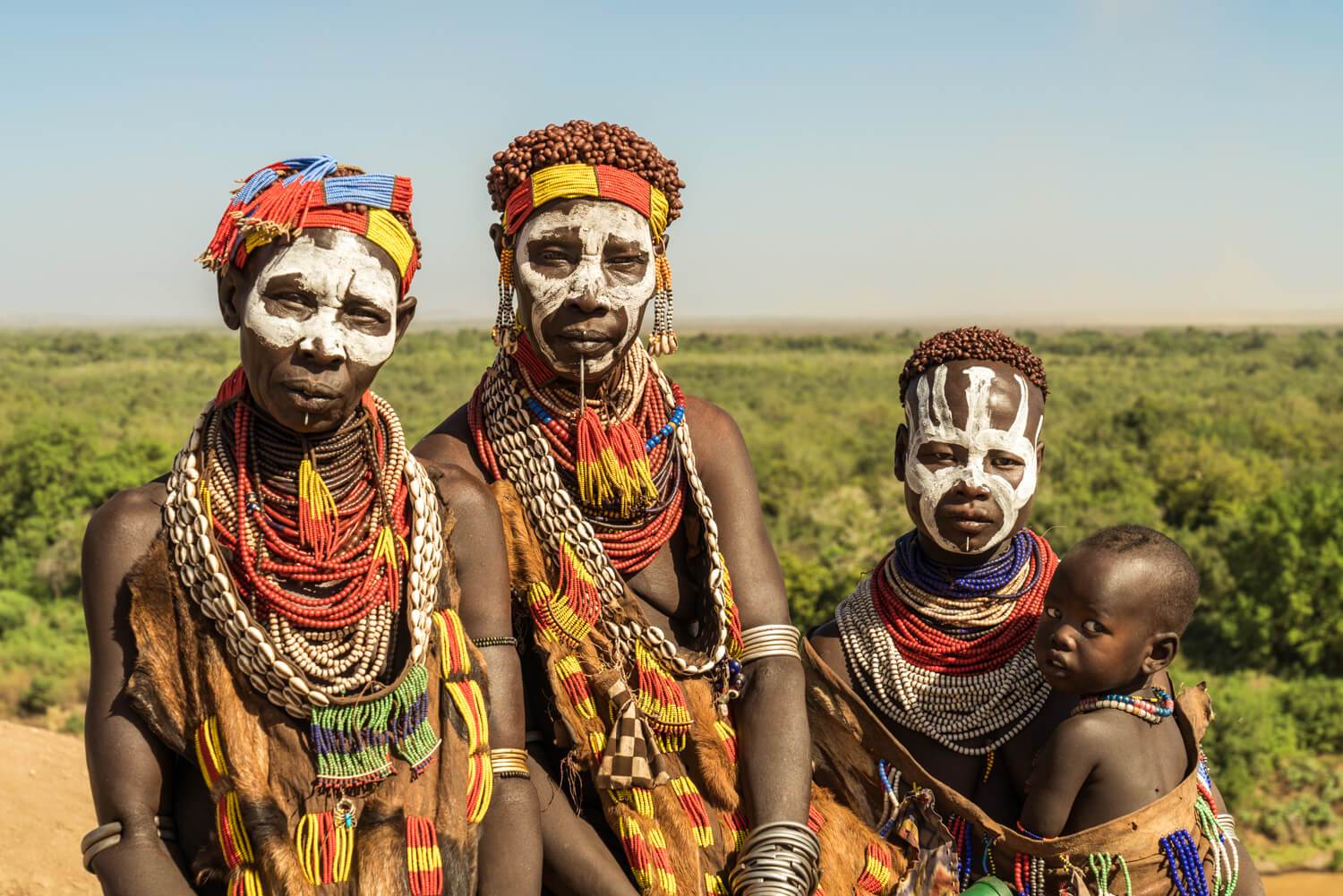
Ethiopia has a rich culture and heritage that reflects its diverse ethnic groups, traditional values, and ancient history. With over 80 ethnic groups and languages, the country is a mosaic of traditions, music, art, and cuisine. Read to know about the different aspects of Ethiopian culture, from the coffee ceremony to traditional clothing and celebrations.
Human Rights in Ethiopia
Protection of human rights is enshrined in the Ethiopian Constitution. Special efforts and initiatives are undertaken to protect the rights of women, children, people with disabilities, and all citizens. The government is committed to upholding international human rights standards and ensuring equality for all Ethiopians.
The Constitution
The Constitution of the Federal Democratic Republic of Ethiopia was adopted in 1994 and came into effect in 1995. It establishes the fundamental laws governing the nation, defines the rights and duties of citizens, and outlines the structure of the federal government and regional states.
The Ethiopian Government
Ethiopia is a federal parliamentary republic governed by a constitution. The government consists of the Prime Minister as head of government, regional state administrations, and the House of Peoples' Representatives. The structure promotes unity while respecting the diversity of the nation's ethnic groups.
Science and Technology
This section provides a brief overview of the state of science and technology in Ethiopia and the ongoing efforts to develop digital infrastructure, expand internet connectivity, and promote innovation across all sectors of the economy.
The Regional States
This section provides an overview of Ethiopia's regional states: Tigray, Afar, Amhara, Oromia, Somali, Benishangul-Gumuz, SNNPR, Gambela, Harari, Sidama, South West, and the two chartered cities of Addis Ababa and Dire Dawa.
Digital Ethiopia
This section covers the Digital Ethiopia 2025 strategy and the efforts of the federal and regional governments to transform Ethiopia into a digitally empowered society. Learn about e-government initiatives, digital services, and the national digital infrastructure.
Strategies, Policies & Initiatives
The Ethiopian Government launches strategies, policies, initiatives and programs to achieve sustainable development and national prosperity. Find information about key development strategies, economic policies, and reform initiatives here.
Ethiopia's Economy
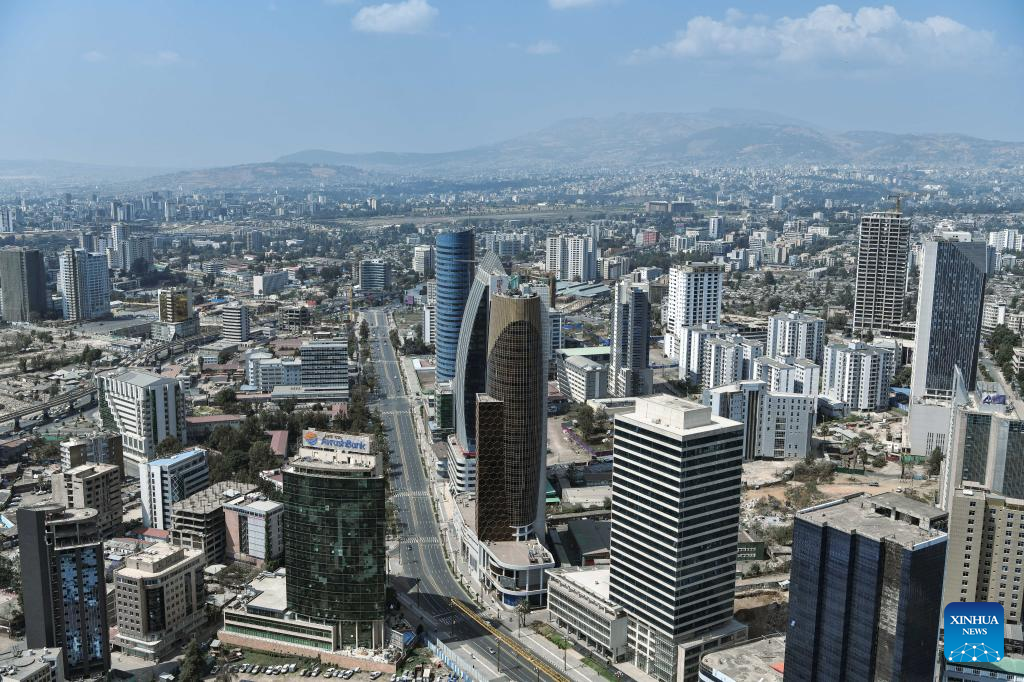
Discover Ethiopia's economy, growth drivers, and investment opportunities. Ethiopia is one of the fastest-growing economies in Africa, with significant potential in agriculture, manufacturing, tourism, and services sectors.
Government Budget & Expenditure
This section provides detailed information about the Ethiopian Government's budget and expenditures in crucial areas including infrastructure, education, healthcare, agriculture, social protection, and government services.
Ethiopia's Competitiveness
This section brings together various international reports that measure Ethiopia's competitiveness in fields such as infrastructure, human capital, digital economy, and ease of doing business. Ethiopia continues to make progress in regional and global rankings.
Leaders of Modern Ethiopia
This page provides brief biographies of the leaders who have shaped modern Ethiopia, from Emperor Haile Selassie to the current leadership, highlighting their contributions to the nation's development and progress.
The UN's 2030 Agenda
A global framework advancing sustainable development, inclusion, and shared prosperity. Ethiopia is committed to achieving the Sustainable Development Goals and has integrated them into national development plans and policies.
Ethiopia's Vision
In this section, you will find information relating to Ethiopia's long-term vision for becoming a prosperous, peaceful, and globally competitive nation by 2030 and beyond. Learn about the aspirations and strategic goals that guide national development.
Building a Brighter Future Through Digital Innovation
Ethiopia is on an ambitious journey to become a leading digital economy in Africa. Through MESOB and other e-government initiatives, we're making government services more accessible, efficient, and transparent for all citizens.
Rich Heritage & Culture
Ethiopia is one of the oldest nations in the world, with a unique cultural heritage that spans over 3,000 years. It is the only African country that was never colonized.
Home to nine UNESCO World Heritage Sites, including the rock-hewn churches of Lalibela, the castles of Gondar, and the ancient obelisks of Axum.
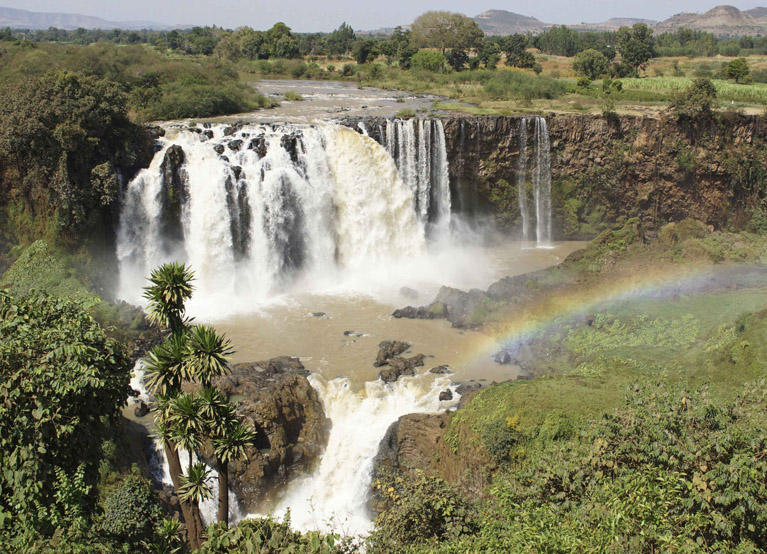
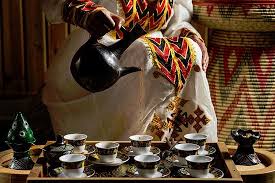
Tourism Highlights
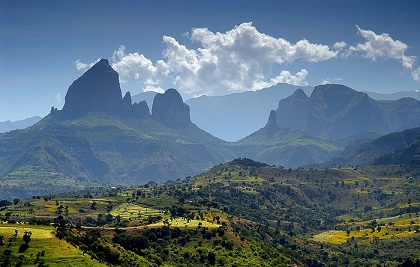
Simien Mountains
UNESCO World Heritage Site with spectacular scenery and endemic wildlife
Learn more →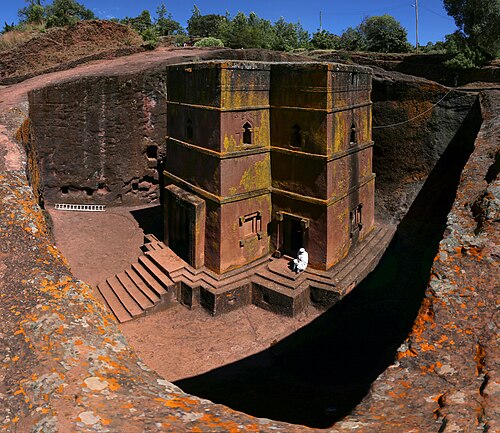
Investment Opportunities
Ethiopia is one of the fastest-growing economies in Africa
Growing Economy
Average GDP growth of 8-10% over the past decade, driven by agriculture, manufacturing, and services
GDP growth of 8-10% driven by agriculture and manufacturing.
Manufacturing Hub
Industrial parks with tax incentives, cheap energy, and access to regional markets
Industrial parks with tax incentives and regional market access.
Agriculture
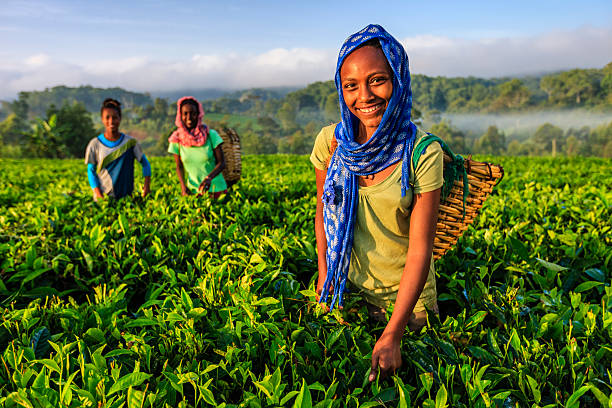
Fertile land, diverse climate zones, and strong agricultural potential
Fertile land, diverse climate zones, and strong agricultural potential.

Birthplace of Coffee
Ethiopia is the birthplace of coffee, with a coffee culture dating back centuries. The Ethiopian coffee ceremony is an integral part of social and cultural life.
Ethiopia produces some of the world's finest Arabica coffee beans, with unique flavors from regions like Yirgacheffe, Sidamo, and Harrar.
The word "coffee" comes from "Kaffa," a region in Ethiopia where coffee was first discovered